What a CNC Plasma Cutting Service Can Do
- Alvaro Hernandez
- Mar 10
- 6 min read
If you need metal cut cleanly, quickly, and to your exact design, a CNC plasma cutting service solves a problem that hand cutting never really could. It takes your idea - whether that is a ranch sign, business logo, privacy panel, bracket, or one-off part - and turns it into repeatable, accurate metal work that is ready for the next step.
That matters more than most people think. A cut that is off by even a small amount can throw off installation, waste material, or leave you fixing fitment issues later. When the part is decorative, poor cutting shows up immediately. When the part is functional, poor cutting usually shows up at the worst possible time.
What a cnc plasma cutting service is actually for
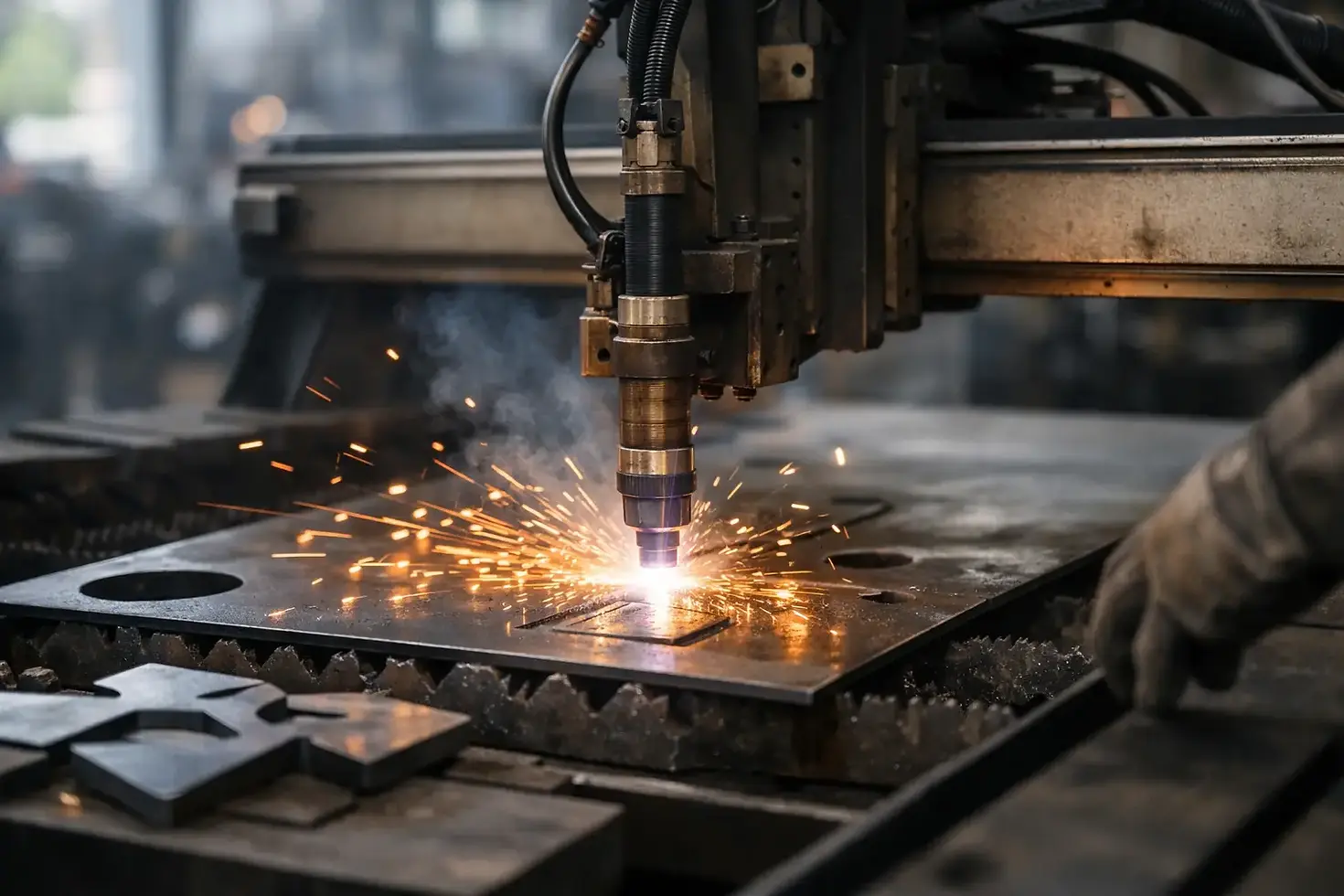
At its core, CNC plasma cutting uses a computer-guided torch to cut metal into precise shapes. The CNC side handles the accuracy. The plasma side does the cutting by pushing a superheated electrical arc through conductive metal. For the customer, the technical process matters less than the result: cleaner cuts, consistent dimensions, and far more design freedom than basic manual cutting.
That opens the door to two very different kinds of jobs.
The first is functional work. Think mounting plates, brackets, gussets, repair patches, base plates, panels, and custom components for gates, fences, carports, and structural projects. These parts need to fit right, hold up, and save time during fabrication or installation.
The second is design-driven work. That includes custom metal signs, address plaques, wall art, branded pieces for storefronts, ranch name signs, and decorative screens. These jobs still need precision, but the customer is usually judging more than fit. They are looking at line quality, balance, readability, and the overall finished look.
A good shop should be able to handle both sides of that equation. If they only think like a machine operator, the design can fall flat. If they only think like an artist, the part may not work the way it should.
Where CNC plasma cut parts make the biggest difference
For homeowners, the biggest value is usually customization without guesswork. A standard big-box product forces you to fit your property to the product. Custom cut metal lets the product fit your property instead. That can mean an address sign sized for a stone entry, a gate accent that matches your fence line, or a decorative panel that gives privacy without blocking airflow.
For ranch owners and property managers, CNC plasma cutting is useful because a lot of exterior metal work needs to be both practical and presentable. A ranch sign has to look right from the road. A bracket or reinforcement plate has to fit and hold. The ability to order custom work instead of settling for close enough can save time and rework.
For small businesses, branding is often where this service stands out. A custom logo sign, branded wall panel, or cut metal feature piece can make a storefront or office feel established. It also gives you something durable. Unlike temporary printed materials, metal signage is made for weather, wear, and long-term use.
When CNC plasma cutting is the right choice
Not every metal project needs this process. If you need highly polished edges on very thin material, another cutting method may be a better fit. If the design is simple and the tolerance is loose, manual fabrication may be enough. That is the trade-off side of the conversation, and any honest shop should say so.
But a CNC plasma cutting service is usually the right choice when the shape matters, the layout needs to repeat, or the finished piece needs to look intentional. It is also a strong fit when speed matters. Once the design is approved, production is efficient, which helps keep custom work moving.
That speed is especially valuable for customers ordering signs or decorative pieces for events, business openings, property upgrades, or gifts. It is just as valuable on fabrication jobs where cut parts are holding up the next phase of a build.
How the process usually works
Most customers start with an idea, not a production-ready file. That is normal. You may have a logo, a rough sketch, a photo reference, or simply a concept with dimensions. A capable shop takes that starting point and turns it into something cuttable.
From there, the design gets cleaned up for production. That includes checking proportions, making sure thin sections are strong enough, and adjusting details that may not translate well into metal. This is where experience matters. A design can look great on a screen and still fail as a physical piece if lines are too fine, spacing is too tight, or support points are weak.
Once the design is approved, the metal type and thickness are selected based on the job. A decorative wall sign and a structural bracket are not built with the same priorities. One may lean toward appearance and manageable weight. The other may be driven by strength and application.
After cutting, the part may move on to finishing, mounting prep, welding, or installation depending on the job. For shipped products, careful packing matters almost as much as cutting quality. A well-made sign is not much use if it arrives bent.
What affects pricing
Customers often assume size is the main factor in cost, but it is only part of it. Design complexity matters just as much. A simple nameplate with clean lines takes less machine time and less design prep than a detailed logo with small internal cuts and intricate artwork.
Material choice also affects price. So does thickness. Heavier plate can be the right call for durability, but it changes cutting time, handling, and shipping. Finish requirements matter too. Raw steel, painted pieces, and powder-coated parts all come with different labor and material demands.
Then there is volume. If you are ordering one custom sign, your pricing reflects one-off design and setup. If you need multiple matching parts or a repeat order, the cost per piece can improve because the file work is already done and production becomes more efficient.
The best quote is not just a number. It should reflect what you are getting, how the part will be used, and whether the design is truly ready to perform the way you need it to.
What to look for in a cnc plasma cutting service
The easiest mistake is choosing based on equipment alone. The machine matters, but it is not the whole story. What you really want is a shop that understands metal, not just software.
Look for clear communication first. If a shop cannot explain lead times, materials, design limitations, or finishing options in plain language, the job can get confusing fast. You also want to see evidence of range. A shop that handles both custom fabrication and design work tends to understand how a cut piece fits into the bigger picture.
Reliability matters just as much as craftsmanship. If you are ordering for a project deadline, business opening, or installation schedule, missed timing creates real problems. Fast turnaround only helps if the work shows up right.
That is one reason customers often prefer working with a fabricator that can do more than cut parts. A team that also builds gates, fences, structures, repairs, and custom metalwork understands how these pieces are used in the real world. At TriNova Custom Welding, that practical side of the work matters because the goal is not just to make something look good on a table. The goal is to make it work, last, and arrive ready for the next step.
Custom signs are one of the best uses for this service
Custom metal signs are where function and personality meet. They can mark a ranch entrance, add branding to a storefront, finish out a patio wall, or create a gift that feels personal without being flimsy. A well-cut sign has weight to it, both visually and physically.
The details make the difference. Letter spacing, mounting style, finish, and scale all affect how the sign reads from a distance and how it fits the setting. A sign for a front gate should not be designed the same way as a sign for an interior wall. Outdoor exposure, wind load, and viewing distance all need to be considered.
This is also where shipping becomes part of the service. If you are ordering from outside the local area, the process should still feel straightforward. Clear design approval, reliable production, and secure delivery are what turn a custom order from stressful to simple.
If you are considering a CNC plasma cutting project, the smartest first step is to start with the use case. What does the piece need to do? Where will it live? Does it need to carry weight, handle weather, match existing work, or make a visual statement? Once those answers are clear, the right design and material choices get a lot easier. Good metal work starts there, long before the torch ever fires.


Comments